The Pros and Cons of Living in Maine: An Honest Look
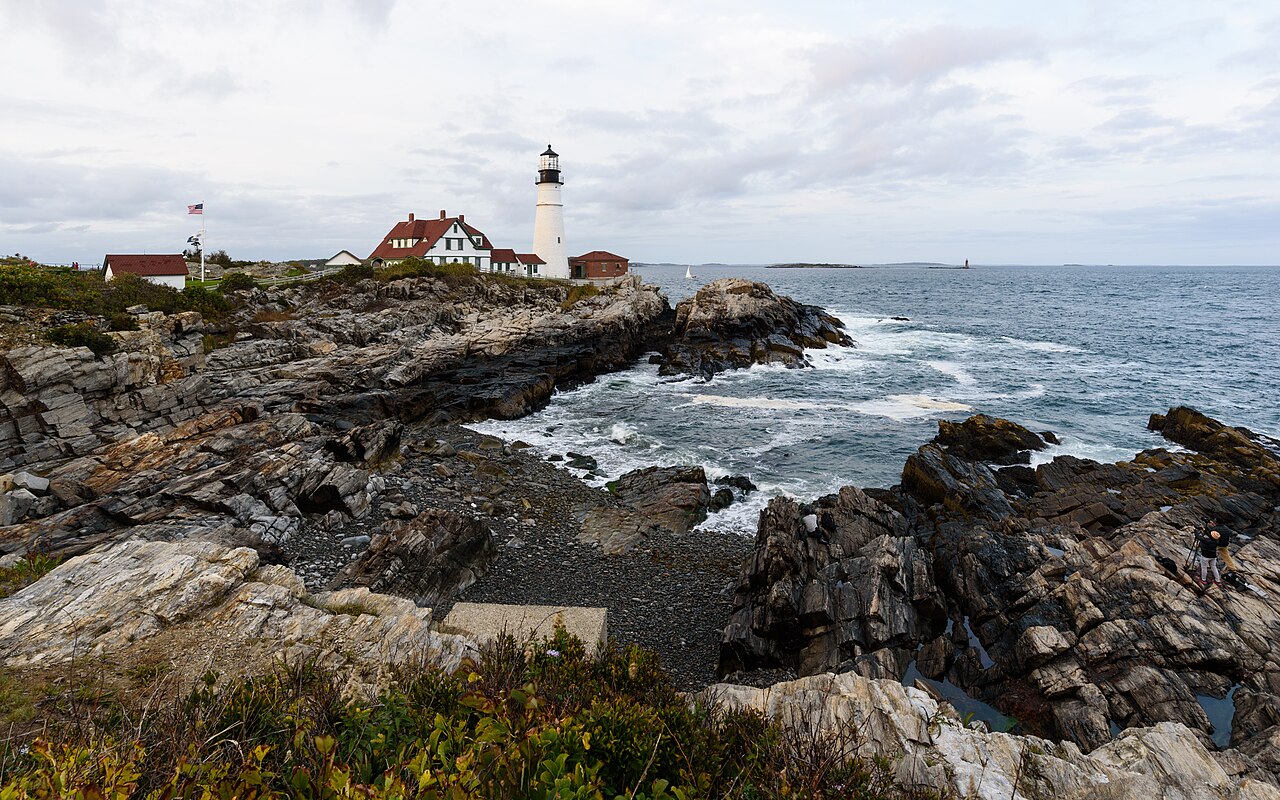
Maine has a way of capturing hearts — the rocky coastline, the deep pine forests, the quiet small towns, and a pace of life that feels increasingly rare. But like anywhere, calling the Pine Tree State home comes with real trade-offs. If you are weighing a move, here is an honest look at the pros and cons of living in Maine.
Pro: Unmatched Natural Beauty and Outdoor Life
Few states can match Maine for sheer scenery. With thousands of miles of tidal coastline, countless lakes and ponds, rolling forests, and mountains including Katahdin, the whole state is a playground. Residents enjoy year-round recreation — hiking, sailing, fishing, and paddling in the warm months; skiing, snowshoeing, and snowmobiling in winter — plus treasures like Acadia National Park and long stretches of the Appalachian Trail. For anyone who loves the outdoors, this is a huge draw.
Pro: Safety and Strong Communities
Maine consistently ranks as one of the safest states in the country, with crime rates well below the national average. Just as important is the sense of community: in Maine's towns, neighbors still know one another, local traditions run deep, and there is a genuine, down-to-earth friendliness that newcomers often mention. It is a place that rewards putting down roots.
Pro: Four Real Seasons and a Slower Pace
Maine offers four distinct, beautiful seasons — from lilacs in spring and long summer days on the water to some of the most spectacular fall foliage in the nation. Life moves a little slower here, the air and water are clean, and there is less of the crowding and rush found in bigger metro areas. For many, that quality of life is the whole point.
Con: Long, Cold Winters
The biggest adjustment for newcomers is winter. Maine sees heavy snowfall, temperatures that can drop below zero, and short daylight hours, with real winter often stretching from late November into early April. January is the coldest month. Winters are beautiful, but they are long, and they demand the right clothing, a reliable vehicle, and a tolerance for shoveling.
Con: Cost of Living and Heating Bills
Maine's overall cost of living runs somewhat above the national average, and one expense stands out: heating. Many Maine homes rely on heating oil, and warming a house through the winter can cost thousands of dollars a year — a serious line item in the household budget. Home prices vary widely, with Greater Portland and the coast running higher than rural inland towns.
Con: A Limited Job Market
Outside of the Portland area, Maine's job market can be tight. The economy leans on tourism, healthcare, education, and traditional industries like fishing and forestry, though sectors such as technology and renewable energy have been growing. For remote workers and retirees, this matters less — but anyone relocating for a traditional career should research local opportunities carefully.
What About Taxes?
Maine has a state income tax and a sales tax, and property taxes that are moderate for New England but vary a great deal from town to town. A home in a rural community will typically carry a lower tax bill than the same home in Portland. As always, it pays to look up the specific mill rate for any town you are considering.
Who Thrives in Maine?
Maine tends to suit people who value nature, safety, and community over big-city convenience: outdoor lovers, remote workers, retirees, and anyone happy to trade a fast pace for a richer, quieter life. If cold winters and a slower economy are deal-breakers, it may not be the fit — but for the right person, few places feel more like home.
Living in Central Maine
Not every part of Maine is coast or wilderness. Central Maine's Kennebec Valley — anchored by communities like Winslow and Waterville — offers a more affordable, four-season base with rivers, lakes, and a genuine small-town feel, within easy reach of both the coast and the mountains. It is a reminder that Maine living comes in many forms.
Frequently Asked Questions
Is Maine a safe place to live?
Yes. Maine consistently ranks among the safest states in the U.S., with crime rates well below the national average.
How cold are Maine winters?
Maine winters are long and cold, with heavy snow and temperatures that can fall below zero. Real winter often runs from late November into early April, and January is the coldest month.
Is it expensive to live in Maine?
Maine's cost of living is somewhat above the national average, with winter heating being a notable expense. Housing is generally more affordable inland than in Greater Portland and along the coast.
Is it hard to find a job in Maine?
Outside the Portland area the job market can be limited, centered on tourism, healthcare, education, fishing, and forestry, though tech and renewable energy are growing. Remote work makes Maine easier for many newcomers.